Let me talk to you for a moment no filters, no fancy psychology terms. I’ve been knocked down more times than I can count. Life didn’t politely tap me on the shoulder; it shoved me. Hard. And if you’re here reading this, I’m guessing you’ve felt that shove too. The kind that makes you question your strength, your patience, even yourself.
Here’s what I learned the slow way: resilience isn’t about being unbreakable. I used to think strong people never fall apart. I was wrong. Resilience is about bending without snapping. It’s about getting up when you’re tired of standing. Sometimes it’s quiet. Sometimes it’s messy. And most of the time, it doesn’t look heroic at all.
That’s why metaphors help. When emotions feel heavy and words feel small, metaphors give shape to what we’re surviving. They turn pain into pictures we can understand and strength into something we can recognize in ourselves.
So let’s talk about resilience in a language that feels real. Not motivational poster real. Human real.
20 Powerful Metaphors for Resilience
1. Resilience is a rubber band
- Meaning: The ability to stretch without breaking
- Explanation: Pressure pulls you thin, but you return to form
- Examples:
- I felt stretched thin, but like a rubber band, I snapped back.
- She bent under stress but never broke.
- I felt stretched thin, but like a rubber band, I snapped back.
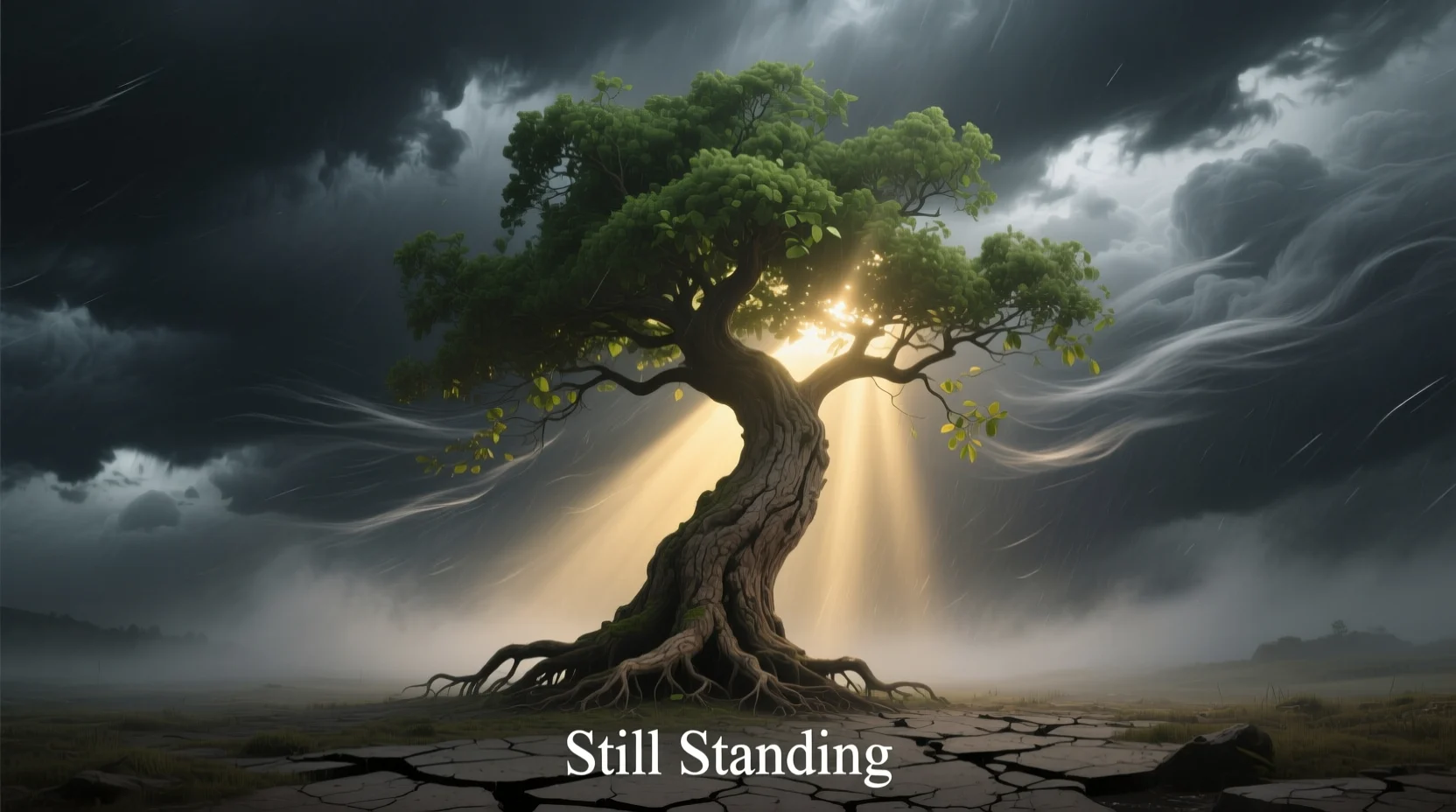
2. Resilience is a tree in a storm
- Meaning: Standing firm through chaos
- Explanation: The wind bends it, not uproots it
- Examples:
- Life shook me, but I stayed rooted.
- He swayed, yet stood tall.
- Life shook me, but I stayed rooted.
3. Resilience is a phoenix rising
- Meaning: Rebuilding after destruction
- Explanation: Something stronger emerges after loss
- Examples:
- I rebuilt myself from ashes.
- Failure didn’t end her story.
- I rebuilt myself from ashes.
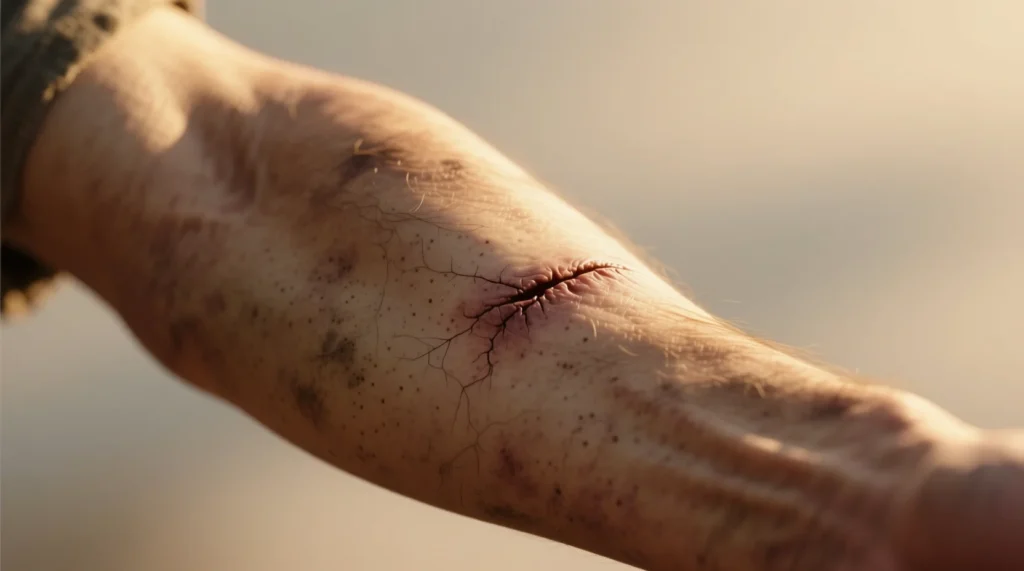
4. Resilience is a scar
- Meaning: Healing, not forgetting
- Explanation: Proof you survived
- Examples:
- That pain left a mark, not a wound.
- His past shaped him, not shattered him.
- That pain left a mark, not a wound.
5. Resilience is a shock absorber
- Meaning: Softening the impact of hardship
- Explanation: It reduces damage, not movement
- Examples:
- I felt the hit, but didn’t collapse.
- She learned how to absorb stress.
- I felt the hit, but didn’t collapse.
6. Resilience is a muscle
- Meaning: Strength built through use
- Explanation: Grows stronger with resistance
- Examples:
- Every struggle trained me.
- Pain became my workout.
- Every struggle trained me.
7. Resilience is a lighthouse
- Meaning: Guidance during darkness
- Explanation: It doesn’t stop storms, but shows the way
- Examples:
- Hope kept flashing through my fear.
- She stayed steady when things went dark.
- Hope kept flashing through my fear.
8. Resilience is tempered steel
- Meaning: Strength formed by heat
- Explanation: Hardship strengthens over time
- Examples:
- Pressure hardened his resolve.
- She was forged, not broken.
- Pressure hardened his resolve.
9. Resilience is a comeback song
- Meaning: Returning stronger after silence
- Explanation: Setbacks don’t end the melody
- Examples:
- I found my rhythm again.
- He rewrote his ending.
- I found my rhythm again.
10. Resilience is a marathon runner
- Meaning: Endurance over speed
- Explanation: Persistence matters more than pace
- Examples:
- I kept moving, even slowly.
- She finished despite exhaustion.
- I kept moving, even slowly.
11. Resilience is glue
- Meaning: Holding broken parts together
- Explanation: Imperfect but functional
- Examples:
- I patched myself together.
- Life cracked him, not split him.
- I patched myself together.
12. Resilience is a seed in concrete
- Meaning: Growth despite impossible odds
- Explanation: Strength finds space
- Examples:
- I grew where I wasn’t meant to.
- Hope pushed through pressure.
- I grew where I wasn’t meant to.
13. Resilience is a shield
- Meaning: Emotional protection
- Explanation: Not blocking all pain, just enough
- Examples:
- I learned what to let in.
- She guarded her peace.
- I learned what to let in.
14. Resilience is duct tape
- Meaning: Temporary survival solutions
- Explanation: Not pretty, but effective
- Examples:
- I held on however I could.
- Survival came before perfection.
- I held on however I could.
15. Resilience is a boomerang
- Meaning: Returning after being thrown off course
- Explanation: You come back changed, not lost
- Examples:
- Life tossed me, but I returned.
- He found his way back.
- Life tossed me, but I returned.
16. Resilience is a deep breath
- Meaning: Regaining control
- Explanation: A pause before moving forward
- Examples:
- I paused, then continued.
- She breathed through the pain.
- I paused, then continued.
17. Resilience is a repair kit
- Meaning: Tools to recover
- Explanation: Fixing what breaks
- Examples:
- I learned how to mend myself.
- Experience became my toolkit.
- I learned how to mend myself.
18. Resilience is a compass
- Meaning: Direction during confusion
- Explanation: Keeps values aligned
- Examples:
- I didn’t lose myself.
- He followed his inner north.
- I didn’t lose myself.
19. Resilience is weathering paint
- Meaning: Protection over time
- Explanation: Shields from repeated damage
- Examples:
- I learned how to protect my energy.
- She didn’t fade easily.
- I learned how to protect my energy.
20. Resilience is a bridge
- Meaning: Crossing from pain to growth
- Explanation: Connection between past and future
- Examples:
- I crossed into a better version of me.
- Healing carried her forward.
- I crossed into a better version of me.
Conclusion
Resilience isn’t about pretending things don’t hurt. It’s about continuing anyway. Sometimes it’s standing tall. Sometimes it’s crawling forward. And sometimes, resilience is simply choosing not to quit today. These metaphors aren’t just words they’re mirrors. If you see yourself in any of them, that’s proof you’re stronger than you think.
Practical Exercise
- What metaphor best describes your current state?
Answer: The one that feels most honest. - Which metaphor shows your past survival?
Answer: Scars, phoenix, or glue. - Are you bending or breaking right now?
Answer: Bending still counts as strength. - What pressure is shaping you?
Answer: Stress, loss, or responsibility. - What helps you bounce back fastest?
Answer: Rest, support, or self-talk. - What storm are you standing in?
Answer: Emotional, financial, or personal. - What tool is in your repair kit?
Answer: Patience, faith, skills, or boundaries. - Are you running a sprint or a marathon?
Answer: Most healing is a marathon. - What keeps you rooted?
Answer: Values, people, or purpose. - What would resilience look like today?
Answer: One small step forward.

Marton Crow is a thoughtful writer who explores emotions, personal growth, and self-reflection through simple and meaningful language. His work focuses on helping readers understand their inner thoughts with clarity and ease. On Metaphare.com, Marton shares insightful content designed to connect, guide, and inspire everyday readers.