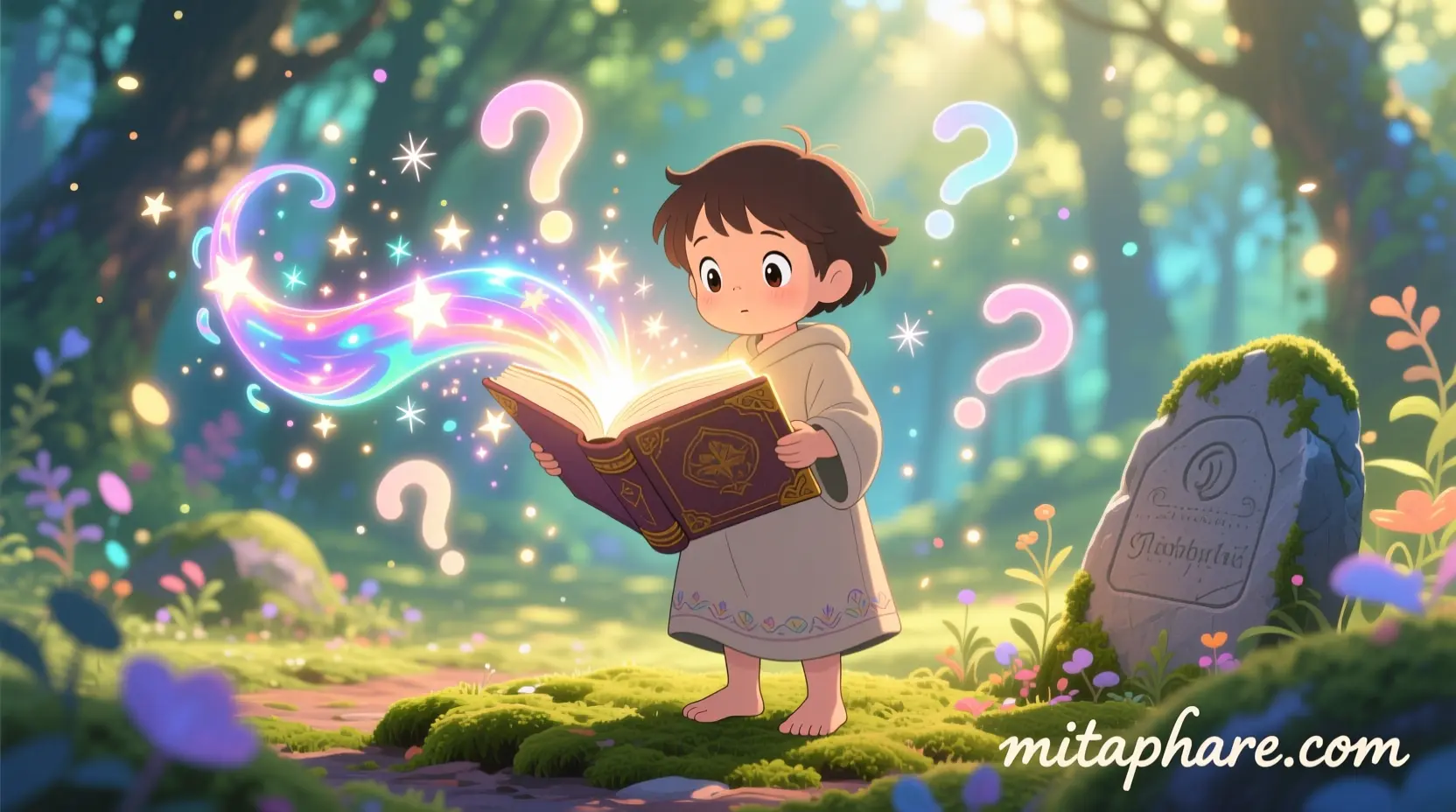
Let me ask you something—have you ever felt that tiny spark inside your mind that makes you lean in a little closer, wanting to know just a bit more? That spark is curiosity. And honestly, it’s one of the most powerful forces in our lives.
I’m talking to you directly here, because curiosity is personal. It hits you in the middle of a normal day—maybe when you hear a strange sound, notice a new idea, or see something interesting online. Suddenly, your brain wakes up and says, “Wait… what’s that?”
That feeling deserves great metaphors. And today, I’m giving you 20 vivid metaphors for curiosity that you can use in your writing, speeches, stories, or even everyday conversations. Each one is simple, meaningful, and easy to apply.
Let’s dive in.
1. Curiosity is a door waiting to be opened.
Meaning: Curiosity leads you to new knowledge or opportunities.
Explanation: When you’re curious, you feel drawn to “open the door” and explore.
Examples:
- “Her curiosity was a door waiting to be opened, and she finally stepped through.”
- “Every new question felt like a door inviting me inside.”
2. Curiosity is a flashlight in the dark.
Meaning: It helps you discover what you can’t see yet.
Explanation: Curiosity shines light on unknown ideas.
Examples:
- “My curiosity acted like a flashlight in the dark during my research.”
- “Curiosity lit up the path when everything else felt unclear.”
3. Curiosity is a magnet pulling you forward.
Meaning: It attracts your attention and draws you toward answers.
Explanation: Like a magnet, curiosity has natural pull.
Examples:
- “The mystery had a magnetic pull on my curiosity.”
- “His curiosity dragged him toward the truth like a magnet.”
4. Curiosity is a seed waiting to sprout.
Meaning: It grows into learning or discovery.
Explanation: A small question can grow into big understanding.
Examples:
- “A tiny seed of curiosity sprouted into a full project.”
- “Her curiosity grew like a plant that finally touched sunlight.”
5. Curiosity is a spark that starts a fire.
Meaning: A little interest leads to big exploration.
Explanation: One question can ignite passion.
Examples:
- “That spark of curiosity turned into a fire for learning.”
- “A single idea lit the flames of curiosity in me.”
6. Curiosity is a treasure map.
Meaning: It guides you to something valuable.
Explanation: Questions act like clues leading you to new insights.
Examples:
- “Her curiosity was a treasure map leading her to new skills.”
- “I followed my curiosity like it was a map full of secrets.”
7. Curiosity is a hungry cat.
Meaning: It wants to explore everything.
Explanation: Like a cat, curiosity pokes its nose into every corner.
Examples:
- “His curiosity was a hungry cat searching every shelf.”
- “My curiosity prowled around until it found answers.”
8. Curiosity is a window to the world.
Meaning: It lets you see beyond your limits.
Explanation: Through curiosity, you learn new perspectives.
Examples:
- “Books became a window to the world for my curiosity.”
- “Her curiosity opened windows she didn’t know existed.”
9. Curiosity is a compass.
Meaning: It guides your choices.
Explanation: Curiosity points you toward what matters.
Examples:
- “His curiosity acted like a compass during his career change.”
- “I let my curiosity guide me north.”
10. Curiosity is a firefly flickering in the night.
Meaning: Small but attention-grabbing.
Explanation: Even a tiny question can brighten your mind.
Examples:
- “A firefly of curiosity glowed in her thoughts.”
- “His curiosity blinked on and off like a tiny light.”
11. Curiosity is a bridge.
Meaning: It connects you to new ideas.
Explanation: It helps you cross from ignorance to understanding.
Examples:
- “Curiosity built a bridge to my new hobby.”
- “Her curiosity helped her cross into deeper knowledge.”
12. Curiosity is an unopened gift.
Meaning: It holds something exciting inside.
Explanation: You don’t know what’s inside until you explore.
Examples:
- “Each question felt like an unopened gift.”
- “Curiosity wrapped knowledge in surprise.”
13. Curiosity is a key that unlocks learning.
Meaning: It opens access to new information.
Explanation: Without curiosity, doors stay closed.
Examples:
- “Curiosity was the key that unlocked his creativity.”
- “My curiosity opened up subjects I never cared about before.”
14. Curiosity is a river carving new paths.
Meaning: It shapes your thinking.
Explanation: Curiosity creates new ways of understanding the world.
Examples:
- “Her curiosity carved paths through her studies like a river.”
- “Curiosity flowed through me, shaping my ideas.”
15. Curiosity is a buzzing bee.
Meaning: It keeps moving from idea to idea.
Explanation: Curiosity is active and restless.
Examples:
- “A bee of curiosity buzzed in my mind.”
- “His curiosity hopped from one subject to another.”
16. Curiosity is a ladder.
Meaning: It helps you reach higher knowledge.
Explanation: Each question is a step upward.
Examples:
- “Curiosity became my ladder in learning technology.”
- “Every question lifted him a little higher.”
17. Curiosity is a puzzle piece clicking into place.
Meaning: It completes understanding.
Explanation: Curiosity helps you see the full picture.
Examples:
- “A piece of curiosity snapped into place.”
- “Her curiosity completed the picture.”
18. Curiosity is a wind pushing you forward.
Meaning: It motivates progress.
Explanation: Curiosity fuels movement and growth.
Examples:
- “A wind of curiosity pushed me into new fields.”
- “His curiosity kept pushing him to seek answers.”
19. Curiosity is a climbing vine.
Meaning: It keeps reaching upward.
Explanation: Curiosity naturally grows toward new ideas.
Examples:
- “Her curiosity climbed higher with every chapter.”
- “My curiosity grew like a vine wrapping around knowledge.”
20. Curiosity is a radar picking up signals.
Meaning: It senses interesting ideas around you.
Explanation: Curiosity detects what others might miss.
Examples:
- “My curiosity picked up signals from every conversation.”
- “His radar of curiosity was always scanning.”
Conclusion
Curiosity isn’t just a feeling—it’s the engine that pushes us to learn, explore, and grow. When you understand it through metaphors, it becomes easier to describe, easier to use, and even easier to inspire in others. Whether curiosity feels like a spark, a door, a flashlight, or a hungry little cat, one thing stays the same: it moves you forward.
So the next time a question taps your shoulder, don’t ignore it. Follow it. Chase it. Let it lead you somewhere new. Because every breakthrough, every discovery, and every great story begins with one simple moment: being curious enough to ask why.
Practical Exercise: 10 Questions + Answers
Q1. Which metaphor describes curiosity as something that lights the unknown?
A1. A flashlight in the dark.
Q2. Which metaphor shows curiosity growing into something bigger?
A2. A seed waiting to sprout.
Q3. Which metaphor compares curiosity to an object that opens learning?
A3. A key that unlocks learning.
Q4. Which metaphor represents curiosity as something guiding direction?
A4. A compass.
Q5. Which metaphor shows curiosity pulling you strongly?
A5. A magnet.
Q6. Which metaphor treats curiosity like a living creature?
A6. A hungry cat (or a buzzing bee).
Q7. Which metaphor shows curiosity as something that connects ideas?
A7. A bridge.
Q8. Which metaphor involves curiosity shining lightly and beautifully?
A8. A firefly flickering in the night.
Q9. Which metaphor suggests curiosity is valuable like treasure?
A9. A treasure map.
Q10. Which metaphor shows curiosity pushing you forward?
A10. A wind pushing you forward.

James Wallet is a writer who focuses on emotional clarity, self-improvement, and practical insights. His writing style is direct, relatable, and easy to follow. Through his work on Metaphare.com, James aims to help readers better understand their emotions and build a healthier mindset.James Wallet is a writer who focuses on emotional clarity, self-improvement, and practical insights. His writing style is direct, relatable, and easy to follow. Through his work on Metaphare.com, James aims to help readers better understand their emotions and build a healthier mindset.