Touché Meaning and Usage: How to Acknowledge Clever Points in Conversation and Debate

Touché Meaning and Usage: How to Acknowledge Clever Points in Conversation and Debate
Have you ever been in a conversation and someone says something so clever that it stops you in your tracks? ...
Read more

Unabridged Meaning and Importance: Why Full Versions Matter

Unabridged: What It Means and Why the Full Version Matters Have you ever picked up a book and seen the word “unabridged” on the cover? Maybe it was a dictionary, a novel, or even an audiobook. But what does it really mean? Unabridged means the complete text, the full version, with no edits or cuts. It is the original content exactly as the author or creator intended. Nothing is removed, shortened, or changed. In this article, we will explore what unabridged means, why it is important, the different types of unabridged works, and how you can use them. By the end, you will understand why unabridged editions are special and why they are worth choosing. What Does Unabridged Mean? The word unabridged is the opposite of abridged. Abridged versions are shorter. They cut out some parts to make reading faster or easier. For example: An abridged novel might skip long chapters or side stories. An unabridged novel includes every word the author wrote. Being unabridged is about completeness. It ensures the reader or listener gets the entire work, not a summary or shortened version. Unabridged works are also more faithful to the original content. They keep the story, the meaning, and the tone intact. If a book is unabridged, you are experiencing it as the author wanted you to. This is why unabridged editions are highly valued. They preserve knowledge, details, and experiences that abridged versions might leave out. Types of Unabridged Works Unabridged works can come in many forms. Let’s look at the most common ones: 1. Unabridged Novels Unabridged novels include every chapter, scene, and detail. They let you fully enjoy the story. Nothing is skipped. You see all the characters, their thoughts, and the full plot. Example: A long classic novel might have an unabridged edition that keeps all the subplots intact. 2. Unabridged Dictionaries Dictionaries are often abridged. A small pocket dictionary has fewer words. An unabridged dictionary includes all words, definitions, pronunciations, and examples. It is the complete text. Students, writers, and researchers prefer unabridged dictionaries because they do not miss any details. 3. Unabridged Audiobooks Audiobooks can also be unabridged. This means every word of the book is read aloud. You get the full version of the story. Nothing is skipped. Many people enjoy unabridged audiobooks because they can listen to the book while traveling or working. It is like reading, but with sound. 4. Unabridged Editions An unabridged edition can refer to books, encyclopedias, or any publication. It always means the entire work is included. No edits. No cuts. It is the original content. Why Choose Unabridged Versions? There are many reasons to choose unabridged editions: 1. Access the Entire Work Unabridged works give you the complete text. You get all chapters, scenes, and details. You do not miss anything important. 2. Preserve Original Content The author or creator put effort into every word. Unabridged editions respect that effort. You see the story or information exactly as it was meant to be. 3. Better Understanding Skipping parts can lead to misunderstanding. Unabridged editions help you understand the story, information, or topic fully. You get the full context. 4. Ideal for Learning Students and researchers benefit from unabridged editions. They provide all the information needed for study. A dictionary, for example, may be abridged, but an unabridged dictionary has every word you might need. 5. More Enjoyable Experience For readers, unabridged novels are more satisfying. You experience all the details, emotions, and depth. For audiobooks, unabridged narration brings the story alive. Benefits of Unabridged Editions Complete Text – nothing is left out Full Version – you get everything as the author intended Original Content – no edits, no cuts Entire Work – all chapters, words, or sections included Better Understanding – context and details remain intact Unabridged editions are especially useful for: Reading for pleasure Academic study Professional reference Learning new words or skills Common Misconceptions About Unabridged Works 1. Unabridged Always Means Longer Not necessarily. Some unabridged works are short. What matters is completeness, not length. 2. Abridged Versions Are Useless Abridged versions can be useful for quick reading. But they do not give the entire work. 3. Audiobooks Cannot Be Unabridged They can. Many audiobooks are unabridged, providing every chapter and word of the text. 4. Unabridged Works Are Hard to Read Some people think unabridged novels are difficult. They can take more time, but they offer a deeper experience and full understanding. How to Identify an Unabridged Version Check the Cover: Look for the word “unabridged.” Read the Description: Online or on the book jacket. Check Page Count or Duration: Unabridged audiobooks are often longer. Look at Reviews: Readers often mention if it is complete. Unabridged Works vs. Abridged Works Feature Unabridged Abridged Completeness Complete text, full version Shortened, missing parts Original content No edits or cuts Some words, scenes, or chapters removed Reading experience Full story or information Quick, summarized version Learning value High Moderate Ideal for Study, detailed reading Quick overview, casual reading Tips for Using Unabridged Editions Take Your Time – Enjoy the full story or content. Highlight Important Parts – Especially in dictionaries or reference books. Listen Carefully – In unabridged audiobooks, focus on every detail. Compare With Abridged Versions – Notice what is added or missing. Use for Learning – Unabridged works help you remember more details. Conclusion Unabridged means complete, full, and original. It gives you the entire work, with no edits or cuts. Choosing unabridged editions lets you experience the story, information, or text as it was meant to be. Whether it is a novel, a dictionary, or an audiobook, unabridged works provide better understanding, more satisfaction, and deeper learning. They preserve the original content and honor the effort of the author. If you want the full version, always look for “unabridged.” It is the key to enjoying books and learning fully. Remember, nothing beats the entire work, exactly as it was created.
Have you ever picked up a book and seen the word “unabridged” on the cover? Maybe it was a dictionary, ...
Read more

Al Dente Meaning: Simple Guide to Perfect Pasta Texture
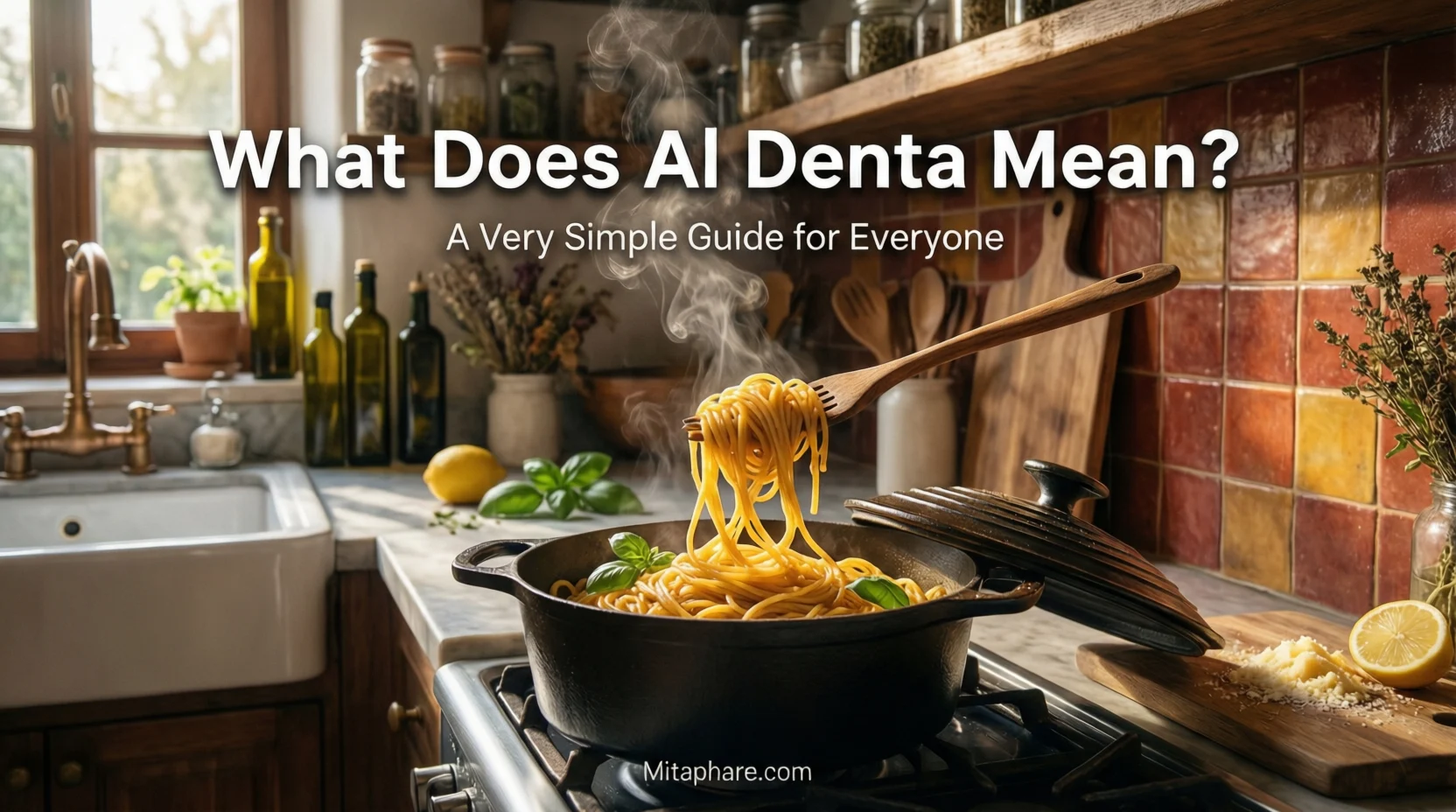
What Does Al Dente Mean? A Very Simple Guide for Everyone Introduction When I first saw the word al dente, I felt unsure. The word looked hard. It sounded fancy. I thought it was only for chefs. I was wrong. Al dente is not hard to understand. It is not only for restaurants. It is for everyone who cooks food at home. It is a simple idea with a big effect. This word helps us cook better pasta. It helps us cook better rice. It even helps us cook better vegetables. Once you learn it, you will use it again and again. In this article, I will explain what al dente means, why it matters, and how you can use it in your own kitchen. I will use very easy words. I will explain slowly. By the end, you will feel confident. What Does Al Dente Mean? Al dente means “to the tooth.” This phrase comes from the Italian language. Italians use it to describe how food feels when you bite it. When food is al dente: It is cooked It is not raw It is not soft It feels firm when you bite it. It gives a small push back. This is called a slight bite. Most people use this word for pasta. But it also works for rice and vegetables. Why Al Dente Matters in Cooking Food is not only about taste. Food is also about feeling. This feeling is called texture. In Italian cuisine, texture is very important. Pasta should not be soft and weak. It should be strong and full. Traditional Italian cooking teaches balance. Not too hard. Not too soft. Just right. When food is al dente: It tastes better It feels better It looks better This is why many cooks love this method. Al Dente and Pasta Texture Pasta texture changes everything. Soft pasta feels heavy. It sticks together. It breaks easily. Al dente pasta: Keeps its shape Holds sauce Feels clean That is why pasta doneness is so important. Pasta Types Cooked Al Dente Many pasta types are cooked al dente. Spaghetti Long and thin. Cooks fast. Easy to overcook. Penne Short and thick. Holds sauce well. Fettuccine Flat and wide. Needs care while boiling. Macaroni Small and curved. Often used in baked dishes. All of these taste best when cooked al dente. How to Cook Pasta Al Dente Cooking pasta al dente is easy. You just need attention. Step 1: Use a Big Pot A big pot gives space. Pasta needs room to move. Step 2: Boil Water Wait for strong bubbles. Do not rush this step. Step 3: Add Salt Salt adds flavor. Water should taste salty. Step 4: Add Pasta Put pasta in the water. Stir it well. Step 5: Watch the Clock Check the package time. Cook for less time than shown. Step 6: Taste Often Take one piece out. Bite it. Step 7: Drain Quickly Drain when firm. Do not rinse. Now your pasta is al dente. How to Test Pasta Doneness The best tool is your mouth. Bite the pasta. If it feels hard in the center, it is raw. If it feels soft all over, it is overcooked. If it feels firm with a small bite, it is perfect. This is how cooks check pasta doneness. Boiling Pasta the Right Way Boiling pasta is simple, but mistakes happen. Common problems include: Too little water Too much time No tasting Always use enough water. Always taste before draining. Al Dente vs Overcooked Food Let us compare. Al Dente Food Firm texture Better flavor Clean look Overcooked Food Mushy Dull taste Broken shape Once you feel the difference, you will notice it every time. Cooking Rice Al Dente Rice can also be al dente. Soft rice turns sticky. Firm rice stays separate. In dishes like risotto, texture matters a lot. Al dente rice: Feels smooth Holds shape Tastes rich Rice should never turn into paste. Cooking Vegetables Al Dente Many vegetables taste better al dente. Examples: Carrots Broccoli Beans When vegetables are al dente: They stay bright They stay tasty They stay strong Overcooked vegetables lose life. Cooking Time and Control Cooking time is the key. Even one extra minute can change texture. That is why timing matters. Good cooks: Watch the pot Taste often Stop early This is one of the most important culinary techniques. Health Benefits of Al Dente Food Al dente food is also good for health. Lower Glycemic Index Firm pasta has a lower glycemic index. Sugar enters the body slowly. Better Digestion Firm food helps digestion. The body works better. Stable Blood Sugar It helps control blood sugar levels. This is good for many people. This is why al dente fits into healthy cooking. Common Mistakes When Cooking Al Dente Many people make these mistakes. Cooking Too Long Time matters more than you think. Not Tasting Do not trust the clock alone. Rinsing Pasta This removes flavor and starch. Using Small Pots Crowded pasta cooks unevenly. Avoid these mistakes for better results. Al Dente in Restaurants Chefs care deeply about texture. In restaurants: Pasta is often undercooked first It finishes cooking in sauce This keeps it al dente. That is why chefs follow Italian cooking methods closely. Learning Al Dente at Home You do not need special tools. You only need: Attention Taste Practice After a few tries, you will feel the right bite. Al Dente and Italian Food Culture In Italian food culture, cooking is about respect. Respect for: Ingredients Time Balance Al dente shows care. It shows skill. It shows love for food. Simple Practice Exercise Try this simple test. Boil pasta Taste after 5 minutes Taste after 6 minutes Taste after 7 minutes Notice the change. Feel the bite. This is how learning happens. Why Al Dente Is Not Undercooked Many people think firm means raw. This is not true. Al dente food is fully cooked. It is safe to eat. It is just not soft. There is a big difference. Al Dente for Beginners If you are new, start slow. Cook pasta often. Taste it often. Learn from each try. Soon, al dente will feel normal. Final Thoughts on Texture Texture shapes how food feels. Firm texture feels fresh. Soft texture feels tired. This is why al dente matters so much.
When I first saw the word al dente, I felt unsure. The word looked hard. It sounded fancy. I thought ...
Read more

Advent: Meaning, Significance, and Modern Uses (2026)

Advent: Meaning, Significance, and Modern Uses (2026) Have you ever heard the word “advent”? I want to tell you what it means. Advent is a special word. It talks about the arrival or beginning of something important. You can hear it in stories, in history, and even when new technology comes. The word comes from old times, but we use it today too. Some people think it only talks about religion, but it is more than that. It is about changes and new eras. In this article, I will tell you everything about advent. You will see examples from life, religion, history, and technology. I will also give you easy ways to use the word in your sentences. What Does Advent Mean? Advent is a noun. That means it is a thing, not an action. Its meaning is simple: the arrival or beginning of something important. Think of it like the first day of spring. It is the advent of new flowers. Or think about when a new smartphone comes out. That is the advent of new technology. Here are a few examples: The advent of electricity changed how people lived. The advent of the internet made communication faster. With the advent of spring, the days became warmer and brighter. You see, advent is not scary. It is exciting. It tells you that something new is coming. Religious Significance of Advent Many people know advent from Christmas. In Christianity, Advent is a special time. It is the period before Christmas. People wait for the coming of Christ. Traditions During Advent During advent, people do many things: They use an Advent calendar. Each day, they open a door to see a picture or a small gift. Some families light Advent candles. Each candle is for one week. Some people make wreaths to decorate their homes. These traditions show hope and preparation. They remind people to wait patiently. Advent teaches us to look forward to good things. Advent in History and Culture Advent is not only about Christmas. It also shows important beginnings in history. For example: The advent of electricity changed life for millions of people. The advent of the printing press made books easier to read. The advent of airplanes made travel faster. In culture, advent can mean the start of a new era. Writers, artists, and filmmakers often talk about the advent of a new style or idea. Advent in Technology Technology grows fast. Every new invention is an advent. The Advent of the Internet Think about the internet. Before it, people wrote letters or used phones. The internet changed everything. It made the world smaller. News travels fast. People can meet online. Schools use it for learning. Other Technological Advancements Other things also mark important advents: Smartphones make it easy to talk and play. Artificial Intelligence (AI) helps with work and research. Automation helps factories work faster. Every new tool is an advent. It begins a new way of living. Synonyms and Related Terms for Advent Sometimes, you may not want to use the word advent. Here are some similar words: Arrival – the act of coming somewhere. Beginning – the start of something. Onset – usually for something sudden. Emergence – coming into view or being known. Introduction – the first appearance or experience. Examples: The arrival of spring brings flowers. The beginning of school makes students happy. The emergence of new ideas changes society. These words can make your sentences interesting. Why Understanding Advent Matters Advent is more than a word. It teaches us about change. Life is full of changes. Some are small, like a new school year. Some are big, like the internet. If we see advent as something exciting, we can enjoy life more. We can prepare for new opportunities. We can also learn from history. Examples from life: When a baby is born, it is the advent of a new life. When a new friend comes, it is the advent of friendship. When a new job starts, it is the advent of new challenges. Advent reminds us that good things are coming. It gives hope. Advent in Daily Life You can find advent everywhere. Look around your house, your school, and your city. School: The advent of a new teacher can change the class. Home: The advent of a new pet can bring joy. Community: The advent of a festival makes people happy. Every new start is an advent. Recognizing it helps you enjoy life. Advent in Literature and Art Writers and artists love advent. It shows change and growth. A story can start with the advent of a hero. A painting can show the advent of a new season. Movies show the advent of new ideas or discoveries. This makes stories exciting. People like to see something new beginning. How to Use Advent in Your Sentences Here are some simple ways: The advent of winter brings snow. With the advent of the internet, learning is easier. The advent of summer means long holidays. The advent of her courage helped everyone in the village. See? It is easy to use. Just remember: advent = arrival or beginning. Conclusion Now you know what advent means. It is about arrival, beginning, and new eras. It is used in religion, history, technology, and daily life. Advent teaches us hope, patience, and excitement for new things. Every day can have its own advent. A new friend, a new school, or even a new idea can be an advent. The next time you hear the word advent, remember: it is not just a word. It is a sign that something important is coming. Something good is about to begin. So, look around. Notice the advents in your life. Celebrate them. Be ready for change. Embrace new beginnings. That is the magic of advent.
Have you ever heard the word “advent”? I want to tell you what it means. Advent is a special word. ...
Read more

Mamacita: Meaning, Use, and Pop Culture Explained
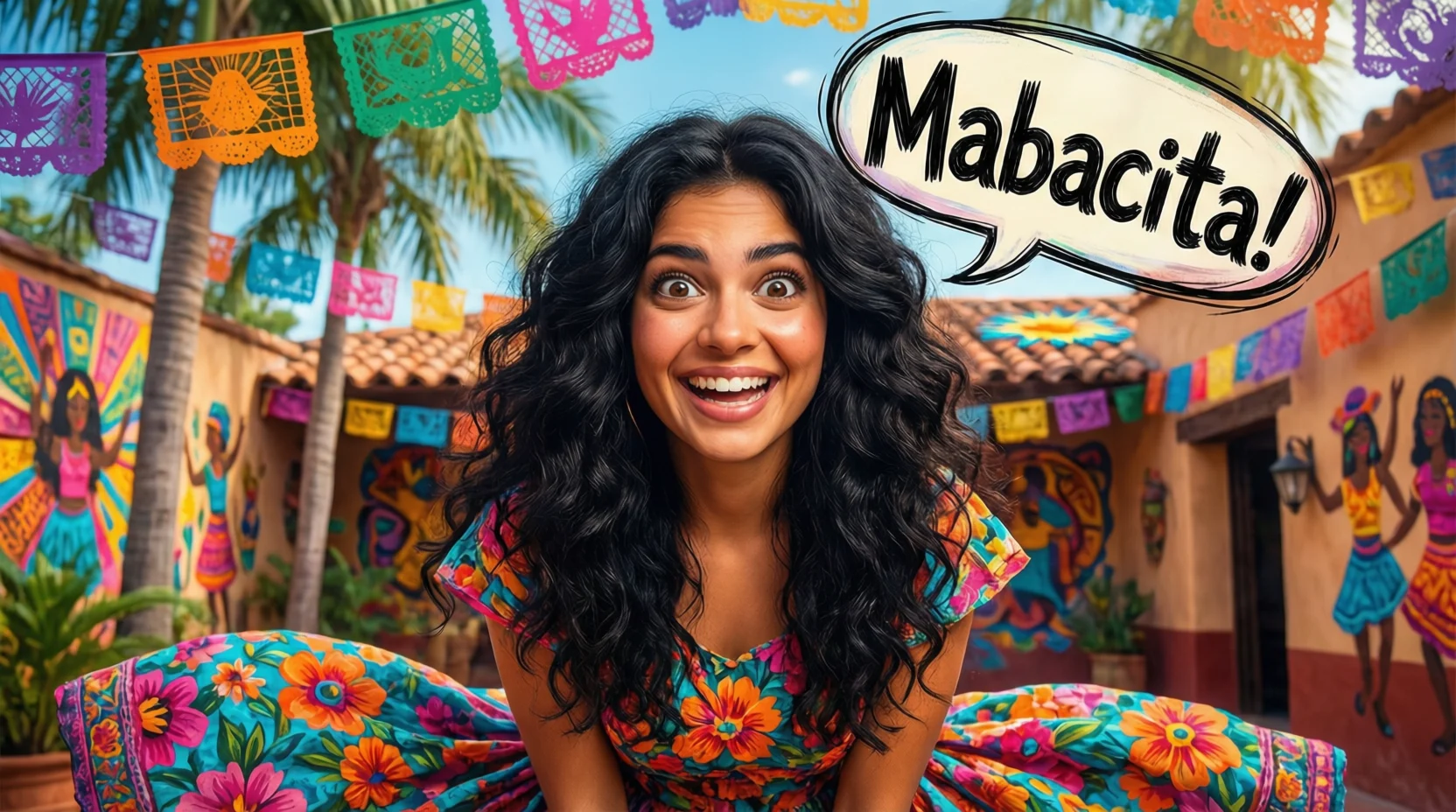
Mamacita: Meaning, Use, and Pop Culture Explained You may have heard the word “mamacita” in a song, a movie, or from someone speaking Spanish. But what does it really mean? Let’s talk about it. I will explain it in simple words. We will also see how it is used in Latin American culture and pop culture. By the end, you will know everything about this fun word. Literal Meaning of Mamacita The word “mamacita” comes from Spanish. It is a small or cute form of “mamá”, which means mom. Adding “-ita” makes it mean little mom or mommy. For example: “Hola, mamacita!” → “Hello, little mom!” “Mamacita, ¿quieres comer?” → “Mommy, do you want to eat?” In these cases, it is just polite and loving. Kids often say it to their mothers. So, the first meaning is simple: a small, affectionate way to say mom. Mamacita as a Compliment Today, many people use “mamacita” to talk about someone attractive. This is common in Latin American culture. It can be playful or flirty. For example: “Wow, mamacita, you look amazing!” “Hey mamacita, your dress is beautiful!” Notice how it is not really about moms here. It is about saying someone is cute or sexy. You should use it carefully. Some people might not like it if they feel it is too flirty. Mamacita in Latin American Culture In many Spanish-speaking countries, mamacita is part of everyday talk. People use it to show affection. It is playful. It is not always romantic. In Mexico, Puerto Rico, and other countries: Friends may say “mamacita” to joke with each other. In families, children may use it for their mothers. In casual conversation, adults may use it to tease or admire someone. It is a word that changes meaning depending on who says it and to whom. Mamacita in Pop Culture If you listen to music or watch movies, you will hear mamacita often. It is popular in Latin music. Songs use it to show love, admiration, or attraction. Some examples: The Black Eyed Peas have a song called “Mamacita.” Super Junior, a Korean band, has a song titled “Mamacita.” Movies and TV shows also use the word to show a character is beautiful or charming. Pop culture helped spread the word worldwide. Now, even non-Spanish speakers know it. Tone and Emotion of Mamacita The word mamacita carries emotion. It is usually: Playful – used to joke or have fun Flirtatious – used to show attraction Affectionate – used with kids or family The tone changes the meaning. Saying “Hola, mamacita!” to your mom is sweet. Saying it to a stranger can be flirty or even rude if not careful. How to Use Mamacita Correctly Here are tips: Family: Say it to your mom or a loved one. Friends: Only say it if you know they like playful jokes. Strangers: Be careful. It can sound flirty. Songs or media: Safe to enjoy. It’s common in pop culture. Examples of proper usage: “Good morning, mamacita!” → to your mother “That’s a nice shirt, mamacita!” → to a friend in a joke context Mamacita in Social Media and Memes The word mamacita is popular online. People use it in memes, TikTok videos, and Instagram captions. It often means someone is cute or attractive. For example: A meme might say, “When she walks in… mamacita!” TikTok videos show dances with the caption, “Mamacita vibes.” Social media keeps the word alive and fun. Fun Facts About Mamacita Variations: Some countries say “mamita” instead of “mamacita.” Both mean small mom, but “mamacita” feels more playful. Songs: Many Latin pop songs use “mamacita” as a fun word for love or attraction. Movies: Characters in cartoons or films may say it to show charm or beauty. Language spread: People who don’t speak Spanish still use it in jokes or songs. Examples in Everyday Life Here are some real-life examples: At a party: “Mamacita, you dance so well!” With family: “Mamacita, come eat your breakfast.” In songs: “Mamacita, dance with me tonight.” In memes: “That look? Mamacita!” Why Mamacita is More Than a Word Mamacita is fun and versatile. It shows culture, emotion, and personality. You can use it in different ways: To show love to your mom To admire a friend To celebrate someone in a song or movie It is part of the language, culture, and even global pop culture. Tips for Learning Spanish Words Like Mamacita Listen to songs in Spanish Watch movies with Spanish dialogue Practice with friends who speak Spanish Learn cultural meanings, not just translations This way, you understand the feeling behind words like mamacita.
You may have heard the word “mamacita” in a song, a movie, or from someone speaking Spanish. But what does ...
Read more

What Does Bop Mean in Slang? Meaning, Examples, and Fun Facts
Bop meaning in slang
Have you ever heard someone say, “This song is a bop”? Maybe you saw it on TikTok, Instagram, or a ...
Read more

GS in Shoes: Meaning, Sizes, and How to Choose the Right Pair

GS in Shoes: Meaning, Sizes, and How to Choose the Right Pair
Have you ever seen a shoe with the letters GS on the box or tag? Maybe it was a Nike, ...
Read more

FUBAR Meaning and Usage: Origin, Examples, and Fun Facts

FUBAR Meaning and Usage
Have you ever heard someone say, “This is FUBAR”? Maybe it was in a movie, a video game, or even ...
Read more

DTM Meaning in Slang and Texting (2026 Guide)
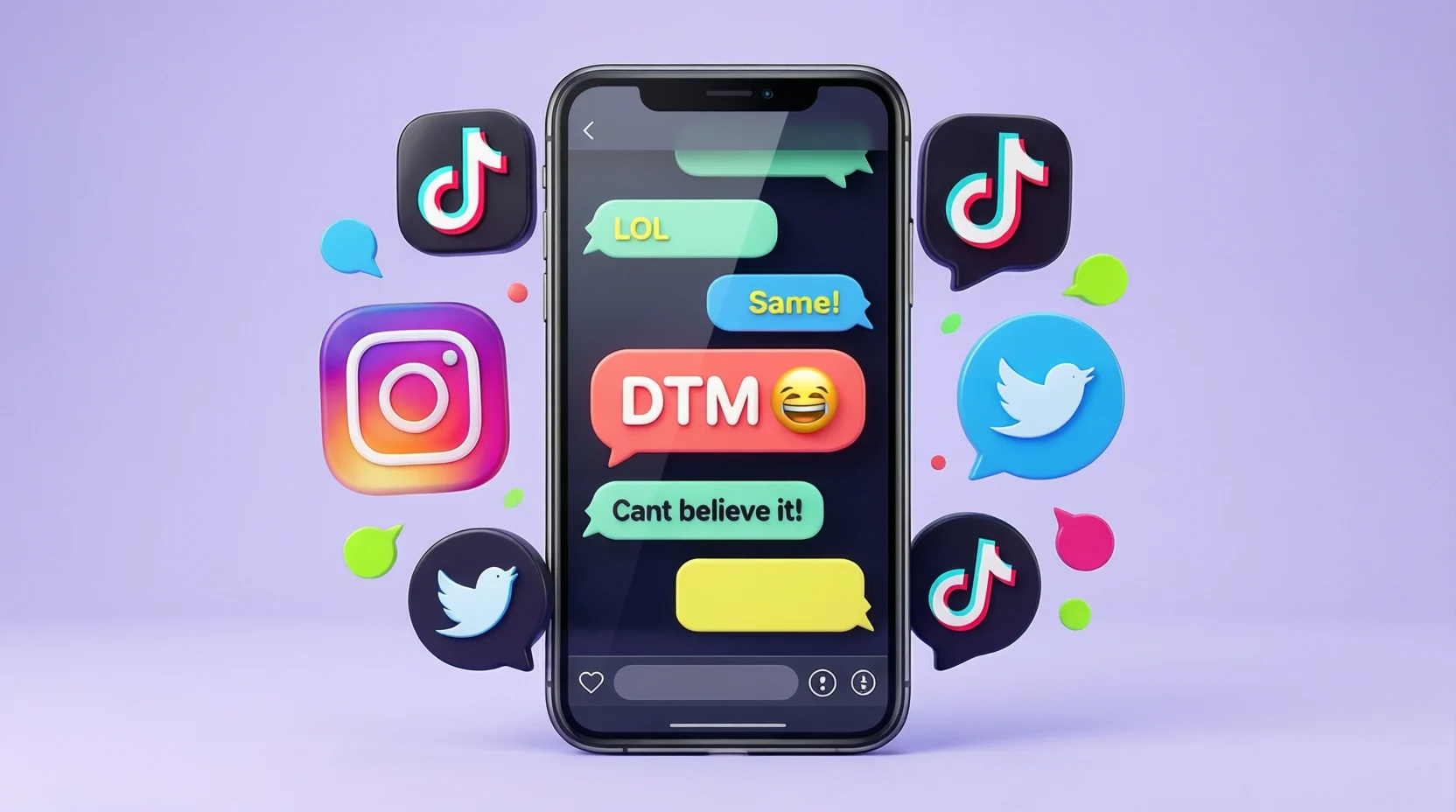
DTM meaning in slang
I see new slang every day.It shows up in texts.It pops up on TikTok.And it lives in Instagram comments. One ...
Read more