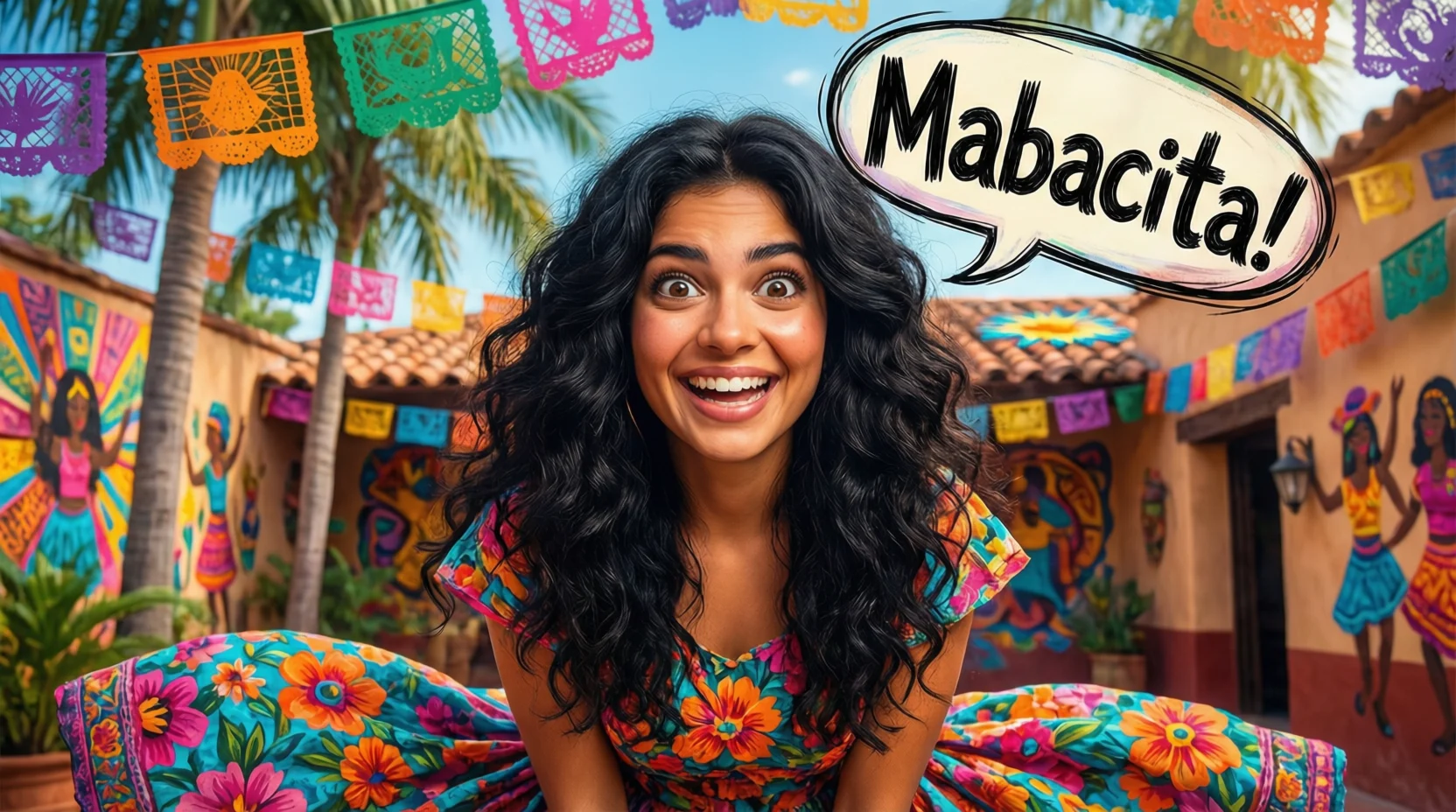
You may have heard the word “mamacita” in a song, a movie, or from someone speaking Spanish. But what does it really mean? Let’s talk about it. I will explain it in simple words. We will also see how it is used in Latin American culture and pop culture. By the end, you will know everything about this fun word.
Literal Meaning of Mamacita
The word “mamacita” comes from Spanish. It is a small or cute form of “mamá”, which means mom. Adding “-ita” makes it mean little mom or mommy.
For example:
- “Hola, mamacita!” → “Hello, little mom!”
- “Mamacita, ¿quieres comer?” → “Mommy, do you want to eat?”
In these cases, it is just polite and loving. Kids often say it to their mothers.
So, the first meaning is simple: a small, affectionate way to say mom.
Mamacita as a Compliment
Today, many people use “mamacita” to talk about someone attractive. This is common in Latin American culture. It can be playful or flirty.
For example:
- “Wow, mamacita, you look amazing!”
- “Hey mamacita, your dress is beautiful!”
Notice how it is not really about moms here. It is about saying someone is cute or sexy.
You should use it carefully. Some people might not like it if they feel it is too flirty.
Mamacita in Latin American Culture
In many Spanish-speaking countries, mamacita is part of everyday talk. People use it to show affection. It is playful. It is not always romantic.
In Mexico, Puerto Rico, and other countries:
- Friends may say “mamacita” to joke with each other.
- In families, children may use it for their mothers.
- In casual conversation, adults may use it to tease or admire someone.
It is a word that changes meaning depending on who says it and to whom.
Mamacita in Pop Culture
If you listen to music or watch movies, you will hear mamacita often. It is popular in Latin music. Songs use it to show love, admiration, or attraction.
Some examples:
- The Black Eyed Peas have a song called “Mamacita.”
- Super Junior, a Korean band, has a song titled “Mamacita.”
Movies and TV shows also use the word to show a character is beautiful or charming.
Pop culture helped spread the word worldwide. Now, even non-Spanish speakers know it.
Tone and Emotion of Mamacita
The word mamacita carries emotion. It is usually:
- Playful – used to joke or have fun
- Flirtatious – used to show attraction
- Affectionate – used with kids or family
The tone changes the meaning. Saying “Hola, mamacita!” to your mom is sweet. Saying it to a stranger can be flirty or even rude if not careful.
How to Use Mamacita Correctly
Here are tips:
- Family: Say it to your mom or a loved one.
- Friends: Only say it if you know they like playful jokes.
- Strangers: Be careful. It can sound flirty.
- Songs or media: Safe to enjoy. It’s common in pop culture.
Examples of proper usage:
- “Good morning, mamacita!” → to your mother
- “That’s a nice shirt, mamacita!” → to a friend in a joke context
Mamacita in Social Media and Memes
The word mamacita is popular online. People use it in memes, TikTok videos, and Instagram captions. It often means someone is cute or attractive.
For example:
- A meme might say, “When she walks in… mamacita!”
- TikTok videos show dances with the caption, “Mamacita vibes.”
Social media keeps the word alive and fun.
Fun Facts About Mamacita
- Variations: Some countries say “mamita” instead of “mamacita.” Both mean small mom, but “mamacita” feels more playful.
- Songs: Many Latin pop songs use “mamacita” as a fun word for love or attraction.
- Movies: Characters in cartoons or films may say it to show charm or beauty.
- Language spread: People who don’t speak Spanish still use it in jokes or songs.
Examples in Everyday Life
Here are some real-life examples:
- At a party: “Mamacita, you dance so well!”
- With family: “Mamacita, come eat your breakfast.”
- In songs: “Mamacita, dance with me tonight.”
- In memes: “That look? Mamacita!”
Why Mamacita is More Than a Word
Mamacita is fun and versatile. It shows culture, emotion, and personality. You can use it in different ways:
- To show love to your mom
- To admire a friend
- To celebrate someone in a song or movie
It is part of the language, culture, and even global pop culture.
Tips for Learning Spanish Words Like Mamacita
- Listen to songs in Spanish
- Watch movies with Spanish dialogue
- Practice with friends who speak Spanish
- Learn cultural meanings, not just translations
This way, you understand the feeling behind words like mamacita.
Conclusion
In short, mamacita is a fun and versatile word with many layers. It can mean “little mom” when used with family, or it can be a playful and flirtatious way to admire someone’s beauty. Its roots in Latin American culture make it special, and pop culture has helped spread it all over the world through songs, movies, and social media.
The meaning often depends on tone and context, so it’s important to use it thoughtfully. Whether you hear it in a song, a meme, or from someone you know, understanding mamacita gives you a glimpse into the richness of language, culture, and expression.
FAQs
Q1: What does mamacita mean in Spanish?
A: “Mamacita” literally means “little mom” in Spanish. Colloquially, it is often used to compliment someone’s beauty in a playful or flirtatious way.
Q2: Is mamacita a polite word?
A: It depends on context. With family, it is affectionate. With strangers, it can be flirtatious, so it should be used carefully.
Q3: Where is mamacita commonly used?
A: It is popular in Latin American countries, songs, movies, TV shows, and social media.
Q4: Can I use mamacita in English conversations?
A: Yes! Many English speakers use it in pop culture or jokes, but it is best used playfully and respectfully.
Q5: Is mamacita the same as mamita?
A: They are similar. Both mean “little mom,” but “mamacita” is often more playful or flirtatious.

Daren Jones is an American author who writes about emotions, self-growth, and meaningful storytelling. His work focuses on explaining complex feelings in a simple and relatable way. Through his writing on Metaphare.com, he helps readers better understand their thoughts, manage emotions, and connect with ideas that inspire clarity and personal growth.